





Like a ticking clock, the 2027 general elections are fast approaching. Expectedly, political permutations, quiet realignments, and strategic calculations have begun to shape the conversation. Among these is a growing assumption in some opposition circles that internal challenges within the People’s Democratic Party (PDP) at the national level could influence voting patterns in Oyo State.
But this “what if” narrative collapses upon closer reflection.
It is, at best, an illusion, one that fails to account for the political consciousness of the people of Oyo State and, more importantly, the undeniable impact of governance under Engr. Seyi Makinde.
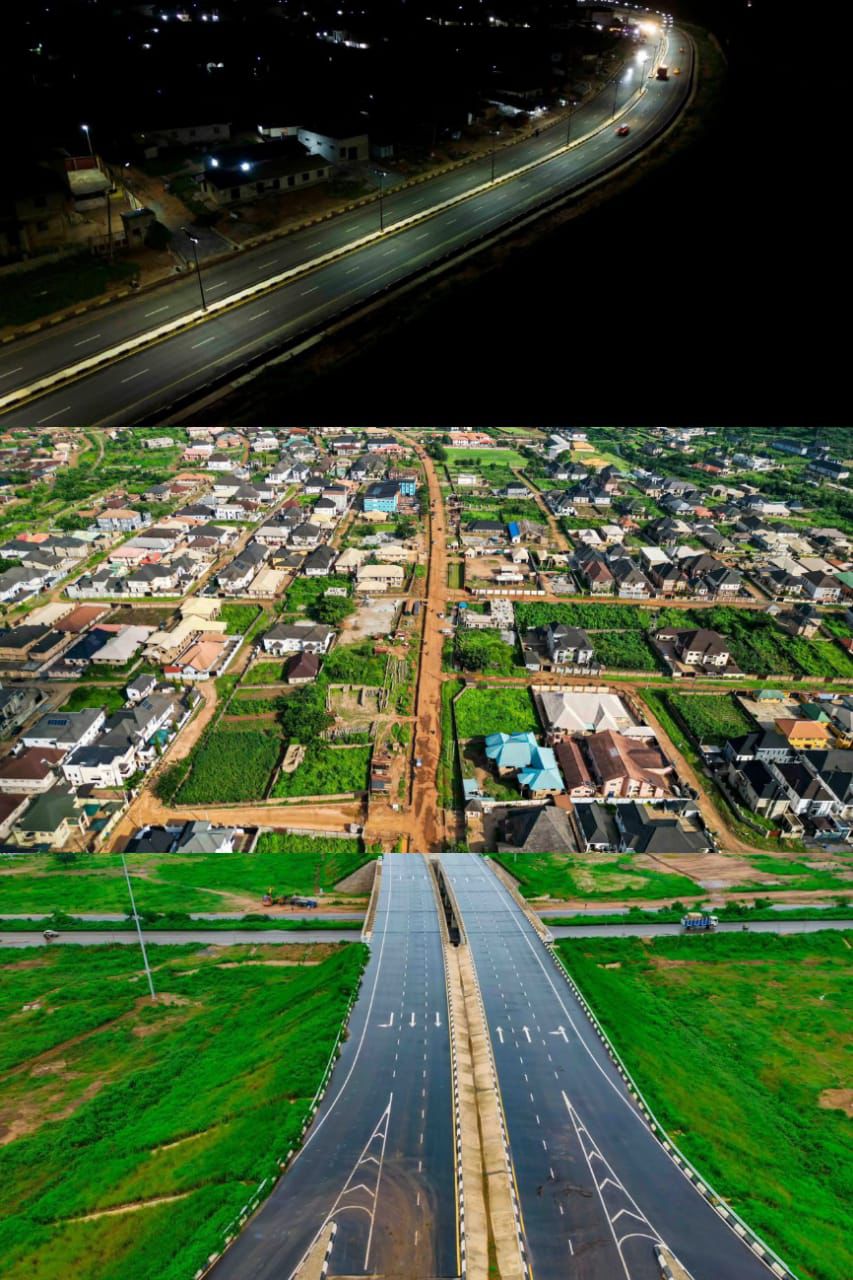
To suggest that the good people of Oyo State will make electoral decisions based on distant national party crisis is to underestimate their discernment. Oyo voters have consistently demonstrated that their choices are rooted not in abstract party related issues, but in tangible outcomes, roads constructed, schools revitalized, healthcare strengthened, and livelihoods improved.
The reality before us is simple and unmistakable: governance that prioritizes people will always command loyalty.
Over the years, the Makinde administration has entrenched a governance philosophy that is deeply people-centered. From data-driven decision-making to inclusive economic policies and strategic investments in critical sectors, the results are visible across the state. This is not propaganda, it is lived experience.
Civil servants, teachers, health workers, artisans, traders, youths, and the most vulnerable populations have all felt the direct impact of policies designed with their welfare in mind. Employment opportunities across agencies such as TESCOM, SUBEB, and the civil service, support for small businesses, and infrastructure development are not mere promises, they are realities that resonate at the grassroots.
This is why the argument that national-level disagreements within the People’s Democratic Party could disrupt the bond between the government and the governed in Oyo State does not hold water.
Elections, especially at the subnational level, are ultimately referendums on performance. And in Oyo State, the scorecard is clear.
The people are not asking “what if?”
They are affirming “what is.”
What is before them is a government that listens.
What is before them is a leadership that delivers.
What is before them is a track record that inspires confidence.
Even more telling is the growing emotional connection between the people and the administration, a relationship built on trust, accessibility, and responsiveness. This is not something that can be manufactured in the heat of an election cycle; it is earned over time.
Therefore, as 2027 approaches, any attempt to hinge electoral success on speculative advantages arising from national party issues will likely miss the mark in Oyo State.
The people already know where they stand.
Their support is not conditional on political drama elsewhere, it is anchored in the visible, measurable, and consistent delivery of good governance at home.
In the end, 2027 in Oyo State will not be decided by “what if” scenarios.
It will be decided by “what has been done” and “who has truly stood with the people.”
And on that scale, the verdict, even before the ballots are cast, is becoming increasingly clear.