


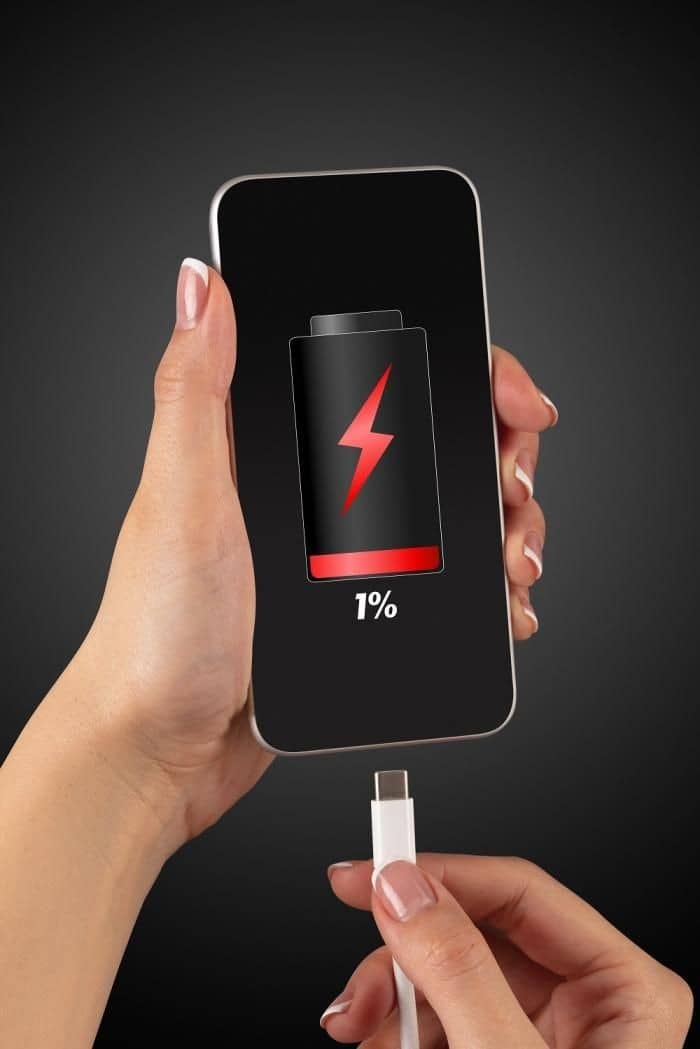
Using a cheap, uncertified charger for your phone or laptop can definitely harm the battery over time. While it might seem like a good way to save money, a low-quality charger can actually cost you more in the long run by damaging your device.
Here’s a breakdown of why this happens and what to look for:
The Risks of Using Cheap Chargers
* Inconsistent Power Flow: High-quality chargers are designed to deliver a steady, consistent voltage and current to your device. Cheap chargers, however, often have poor internal components that can cause fluctuations in power. This “noisy” or unstable power flow can stress and degrade your battery’s health over time, reducing its overall capacity.
* Overheating: A common sign of a low-quality charger is that it—or your device—gets very hot during charging. Excessive heat is a major enemy of lithium-ion batteries. It accelerates the chemical degradation inside the battery, which is why your phone’s battery life drops from lasting all day to only a few hours. This overheating can also pose a fire risk.
* Slower Charging Speeds: As you’ve noticed, a low-budget charger often charges your device much more slowly. This is because it either doesn’t provide enough power (low wattage) or it’s not designed to communicate properly with your device’s fast-charging protocols. Slower charging might seem harmless, but it’s a symptom of a charger that isn’t meeting your device’s power requirements.
* Poorly Designed Connectors: The physical parts of a cheap charger, like the USB port or the charging cable itself, are often made with low-quality materials. A poorly fitting connector can cause a bad connection, leading to an inconsistent charge and potential damage to your device’s charging port over time.
How to Protect Your Battery
To protect your phone or laptop battery, always use the charger that came with the device. If you need a replacement, invest in a charger from a reputable brand that is certified by your device’s manufacturer or a recognized safety organization (like UL in the US or CE in Europe).
Look for chargers that mention they are “certified” or “made for” your specific device model. While they might cost a bit more upfront, the peace of mind and long-term savings from not having to replace a degraded battery are well worth it.
